
AGRICULTURAL MULCH FILM
Practical mulch options made for South African growing conditions REQUEST A QUOTEVIEW AGRICULTURAL RANGE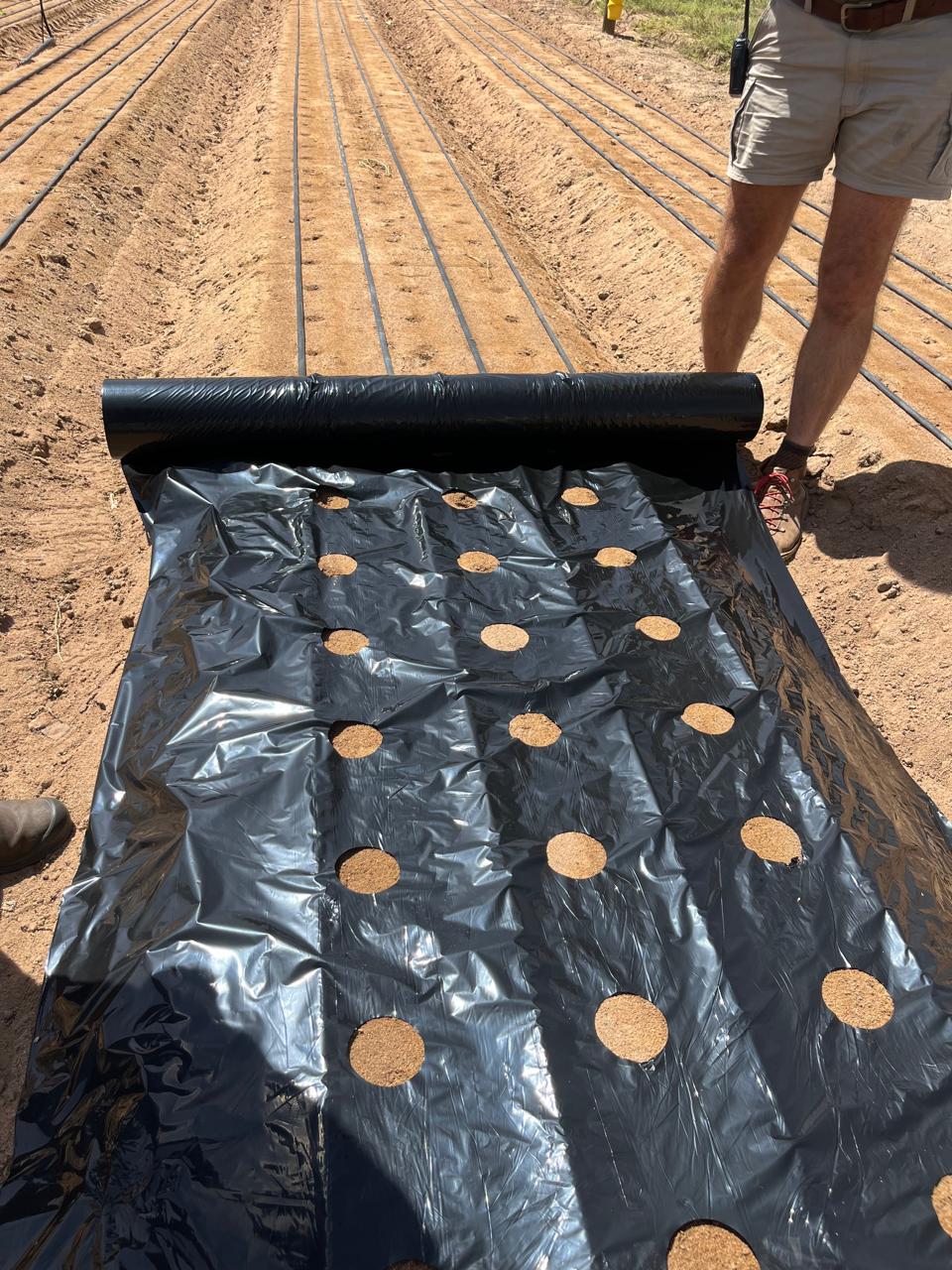
Choose the film for the crop, climate and growing period
Polywrap manufactures a range of polyethylene mulch film in Cape Town. It is used by vegetable growers and commercial farms to cover prepared beds, support moisture management, limit light reaching weeds and keep produce away from direct soil contact.
There is no single mulch that suits every field. Colour, micron, bed width, crop duration, planting method and local temperatures all matter. We help customers choose a practical specification instead of simply supplying the thickest film.
Options include black, black-grey and white-black reflective mulch, supplied punched or unpunched. Standard punched film can be made with 80 mm planting holes, subject to the confirmed row and plant spacing.
For detailed growing guides and seasonal mulch information, visit PlasticMulch.co.za, Polywrap’s specialist mulch-film resource.
Mulch you can trust
Quality film. Reliable supply. Competitive pricing.
Talk to our team.
Mulch options
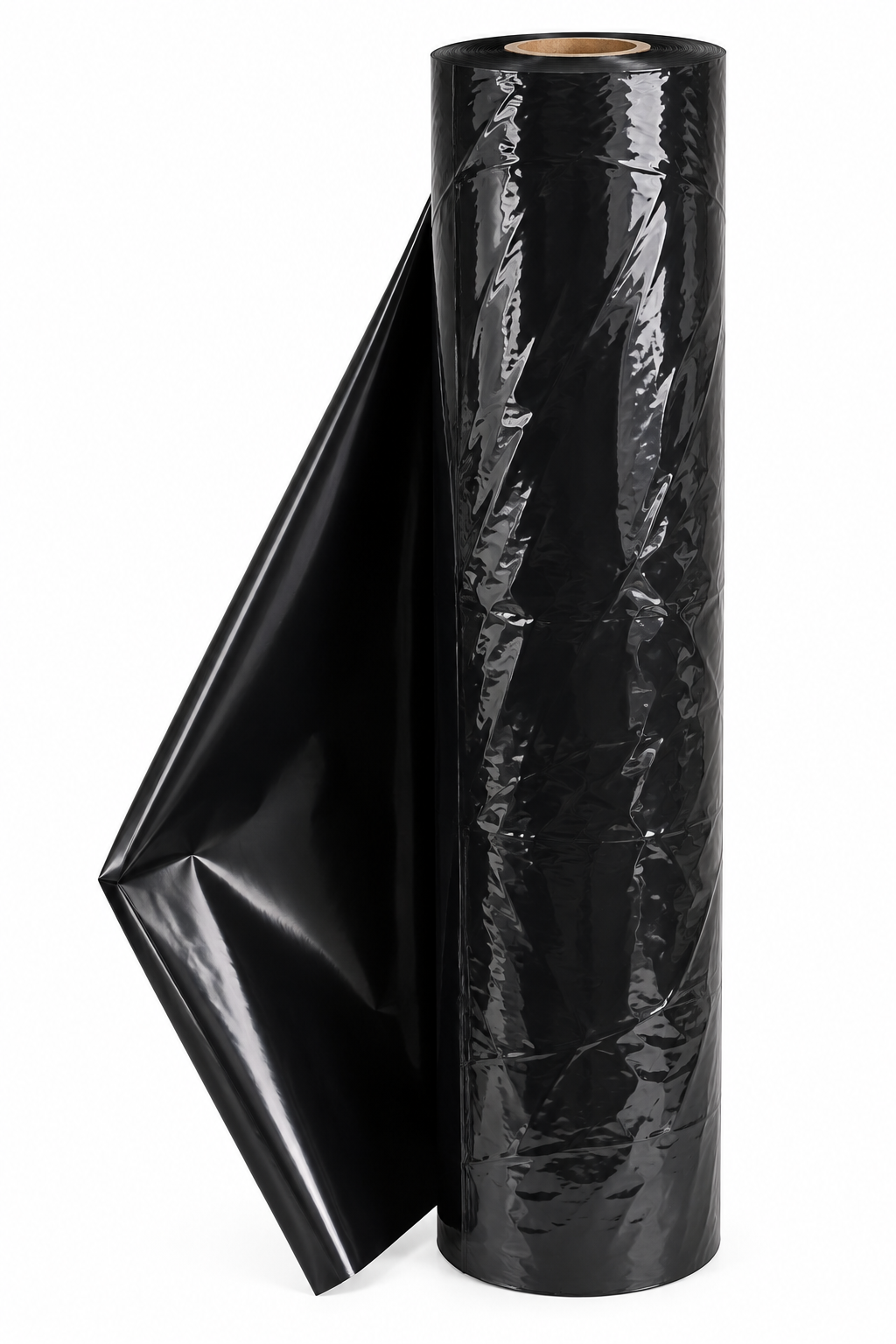
Black mulch
Available in 20, 25 and 30 micron. The opaque black film is widely used for annual vegetable crops where weed suppression, moisture retention and some soil warming are useful.
Read about Polywrap quality controls and independent mulch-film weathering tests.
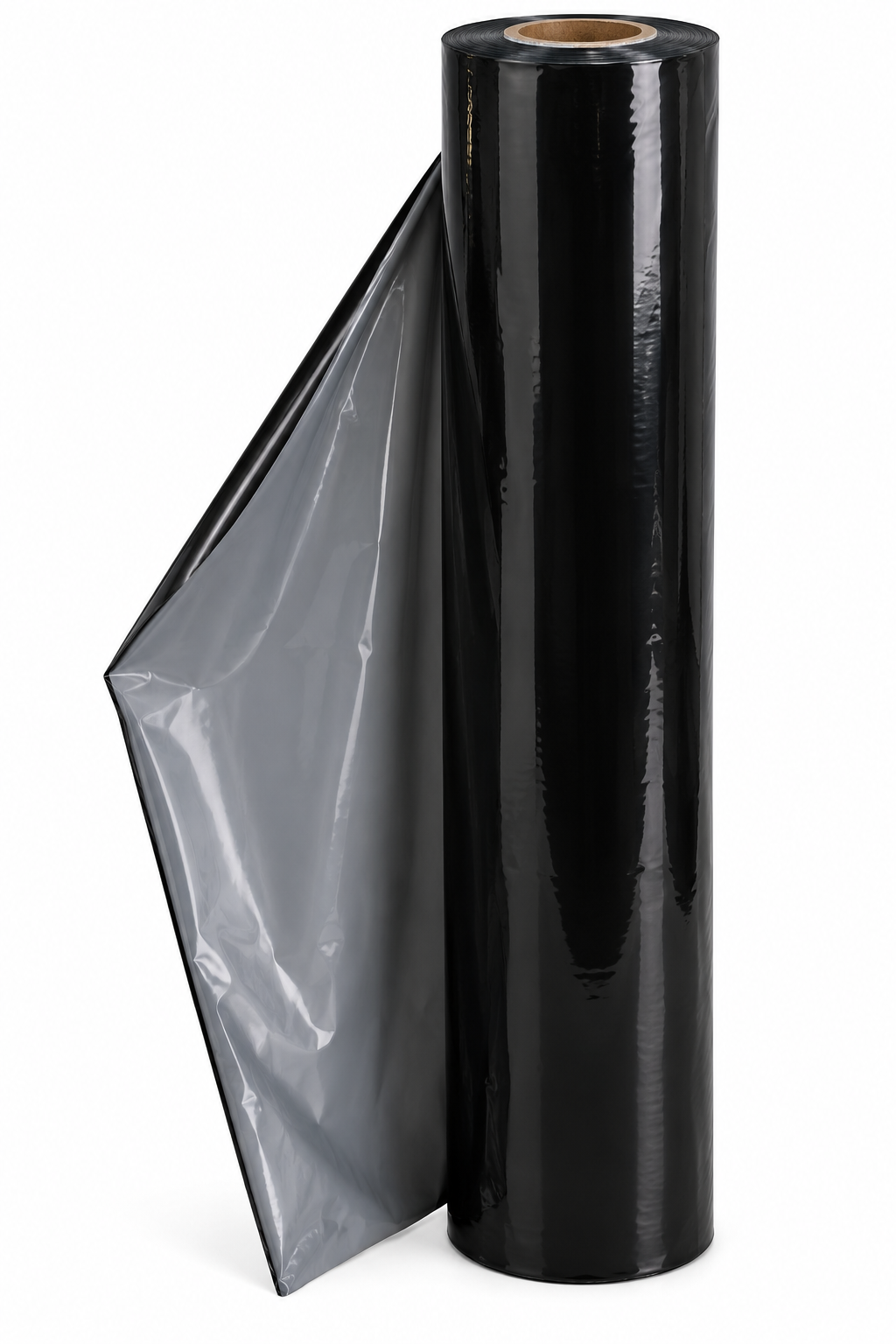
Black-grey mulch
Available in 30 and 40 micron. The lighter upper surface reflects more light than standard black mulch and may suit warmer areas or crops where less heat absorption is preferred.
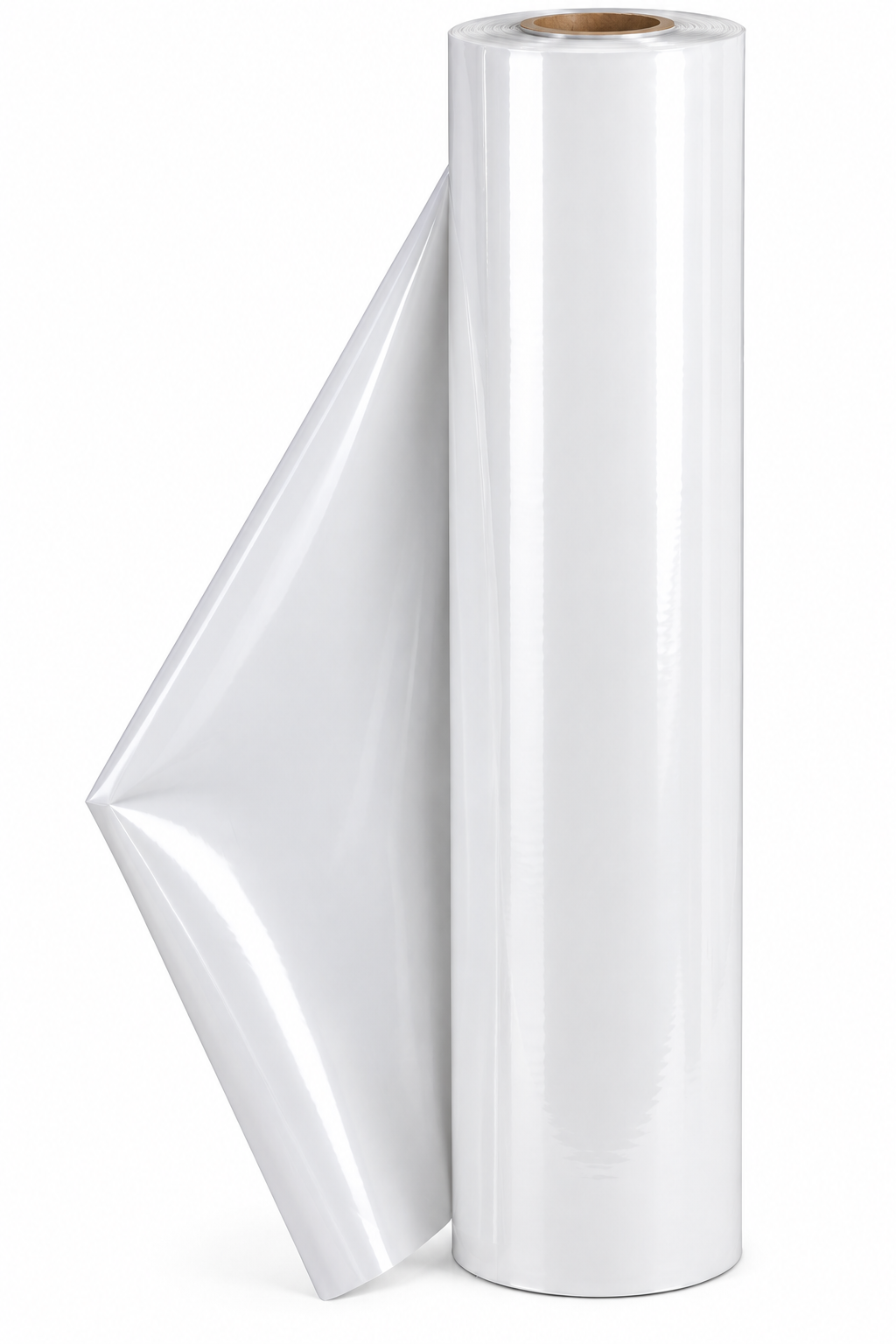
White-black reflective mulch
Available in 60 micron. The white surface reflects more solar energy while the black underside limits light transmission. It is intended for demanding applications and longer crop programmes.
What to confirm before ordering
Bed and roll width
Measure the finished bed, allow enough film for the shoulders and anchoring edges, and confirm the roll width before production.
Crop and planting layout
Tell us the crop, number of planting rows, plant spacing and row spacing. Punched film is produced to the approved layout.
Field conditions
Crop duration, installation equipment, wind, soil condition, sunlight and handling all influence the most suitable micron and expected field performance.
Questions farmers ask us
Does plastic mulch save water?
It can reduce direct evaporation from covered soil and helps keep moisture near the root zone, especially when used with correctly managed drip irrigation. Actual savings vary by soil, weather and irrigation practice.
Will it stop every weed?
Opaque mulch suppresses many weeds beneath the film, but weeds can still emerge through planting holes, damaged areas and uncovered edges.
Which colour is best in very hot areas?
A more reflective black-grey or white-black surface may be preferable to standard black film. The crop, season and local growing conditions should guide the final choice.
What happens after the crop?
Conventional polyethylene mulch is not biodegradable. Remove it after use and route it to an appropriate recovery or recycling service where available.
Need help selecting mulch?
Send us your crop, province, planting month, bed width, required quantity and planting layout. We will recommend a sensible starting specification.